
The short answer: it depends on the item, not the webshop
The question of AI or photo studio may sound like a choice you make once, but in practice it varies by product. A basic T-shirt, a scarf, or a bag gets little value from an expensive shoot day, while a dress with a precise length or a jacket with a distinctive drape does call for a real photo.
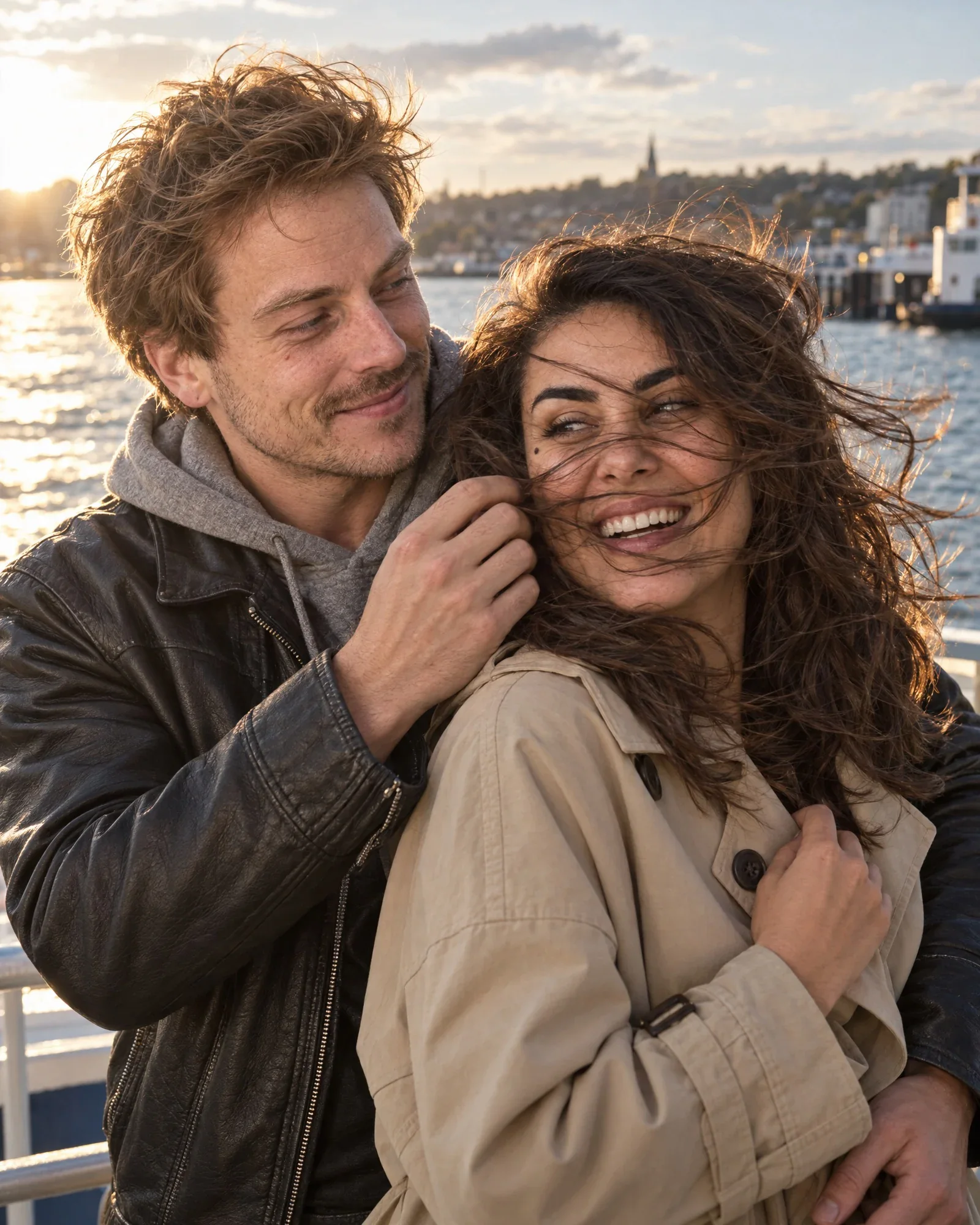
Here, AI photography means creating an on-model photo or campaign image from an existing product image, usually a packshot. No photographer, model, or studio is needed for that image. A photo studio means a real shoot, in your own studio or with an external studio, using a camera, lighting, and often a model or mannequin.
In this article, we compare both routes fairly on the points that matter for an online store: cost, turnaround time, product accuracy, rights, consistency, and scale. Shoot prices are indicative market prices in the Netherlands for 2026.
AI and photo studio side by side
The table compares three routes for model images on your product detail page, the PDP. The third column is the middle ground: you photograph the garment once for real, and only the model is replaced with a fixed house model. In Photopilot, this is called Size Guarantee.
Do not look only at the price per photo. Turnaround time and the work after the shoot, such as selecting, retouching, and linking photos to the right product, often have a bigger impact on how quickly a product sells than the photo itself.
| Point | Photo studio with model | AI from packshot | Real photo plus AI Huismodel |
|---|---|---|---|
| Costs | €2,000 – €4,500 per shoot day, ± €10 – €35 per photo | €0.05 – €0.21 per photo, plus €1.37 per custom AI model | Own photo, then €0.05 – €0.21 per image |
| Lead time | Weeks: planning, shooting, retouching | Often within an hour | As fast as you shoot |
| Product accuracy | Real product, real fit | Color, fabric, and details from the packshot; fit generated | Real product and real fit |
| Rights | Model fee plus buyout per channel and term | No model rights for a generated face | No buyout for the house model |
| Consistency | Varies by model, day, and photographer | Same model and crop in every shoot | Same house model, real photo underneath |
| Scale | ± 50 – 80 items per day | Hundreds of items per day | As much as your studio can handle, without a model |
Cost and turnaround time: where the real difference is
A shoot day includes a photographer, model, studio rental, and styling, typically around €2,000 to €4,500 in total, plus retouching at €3 to €12 per image. At 50 to 80 items per day, that comes to about €10 to €35 per photo. An AI photo generated from a packshot costs €0.05 to €0.21 in Photopilot, and you can create your own AI model once for €1.37.
The bigger difference is time. You have to plan a shoot, the clothing has to be in stock, and then you wait for selection and retouching. With AI, an item can go online as soon as the packshot is available, often the same day. For seasonal items or fast-changing collections, that saves selling days.
If you have your own studio, the cost per shoot day is lower, but you pay a one-time setup cost. A setup with a Canon camera, flashes, and Photopilot Studio typically costs around €12,500 to €25,000, depending on what you already have.
Product accuracy and rights: the areas where you don’t want to cut corners
A product photo must show the product the customer will receive. With a real photo, that is a given. With AI, it depends on the workflow: if you generate from your own packshot, the color, fabric, print, and details come from the real item. If you let a model invent a product based on a description, it is almost never accurate.
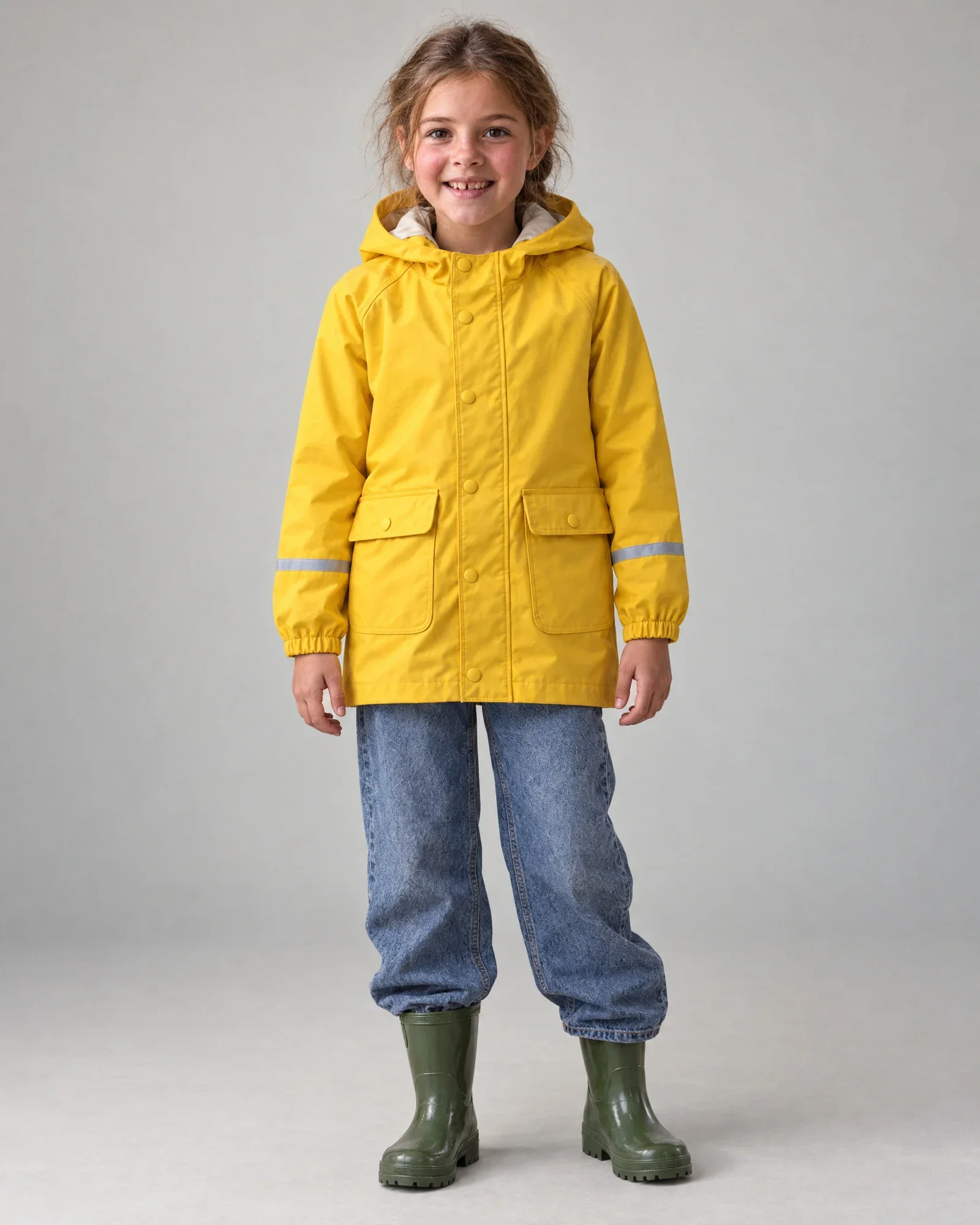
Where AI based on a packshot is weaker is fit. How long a dress falls or how a pair of pants sits around the ankle is an estimate. For many items that is not a problem, but it is for items where customers choose based on size and drape. In those cases, a real photo is the better starting point.
The difference in rights is significant. A real model receives a day fee and often a buyout based on the channel and usage period. A fully generated face does not belong to an existing person, so you do not pay a buyout for it. If you use a real face as the basis for an AI model, you do need documented consent from that person.
Rule of thumb: AI can create the model, pose, and background, but the product must come from a real photo of the item.
When a real photo studio wins
AI is not always the smartest answer, and it is fair to say so. A real shoot is better in a few clear situations, and then the extra price per photo is worth it.
If you only have a small number of products per year, a one-off shoot at an external studio may be simpler than software on a monthly plan. And if you want to keep your photographer and studio because your visual style depends on them, that is a perfectly good choice: the gain is in the work after capture, not in replacing the shoot.
- The fit must be exactly right, as with dresses, pants, lingerie, swimwear, or made-to-measure items.
- Texture and drape are the selling point, as with luxury wool, silk, or knitted fabrics.
- Your brand revolves around a recognizable face, a distinctive photographer, or a real location and a real moment.
- You are creating a major brand campaign with your own art direction, for example for outdoor advertising or TV.
- You have a handful of products per year and no recurring flow of new products.
The middle ground: real photography, AI where possible
You do not have to choose. Many online stores photograph the products where fit matters themselves, and use AI to create the rest from packshots or supplier images. That way, you only spend studio time on the products that need it.
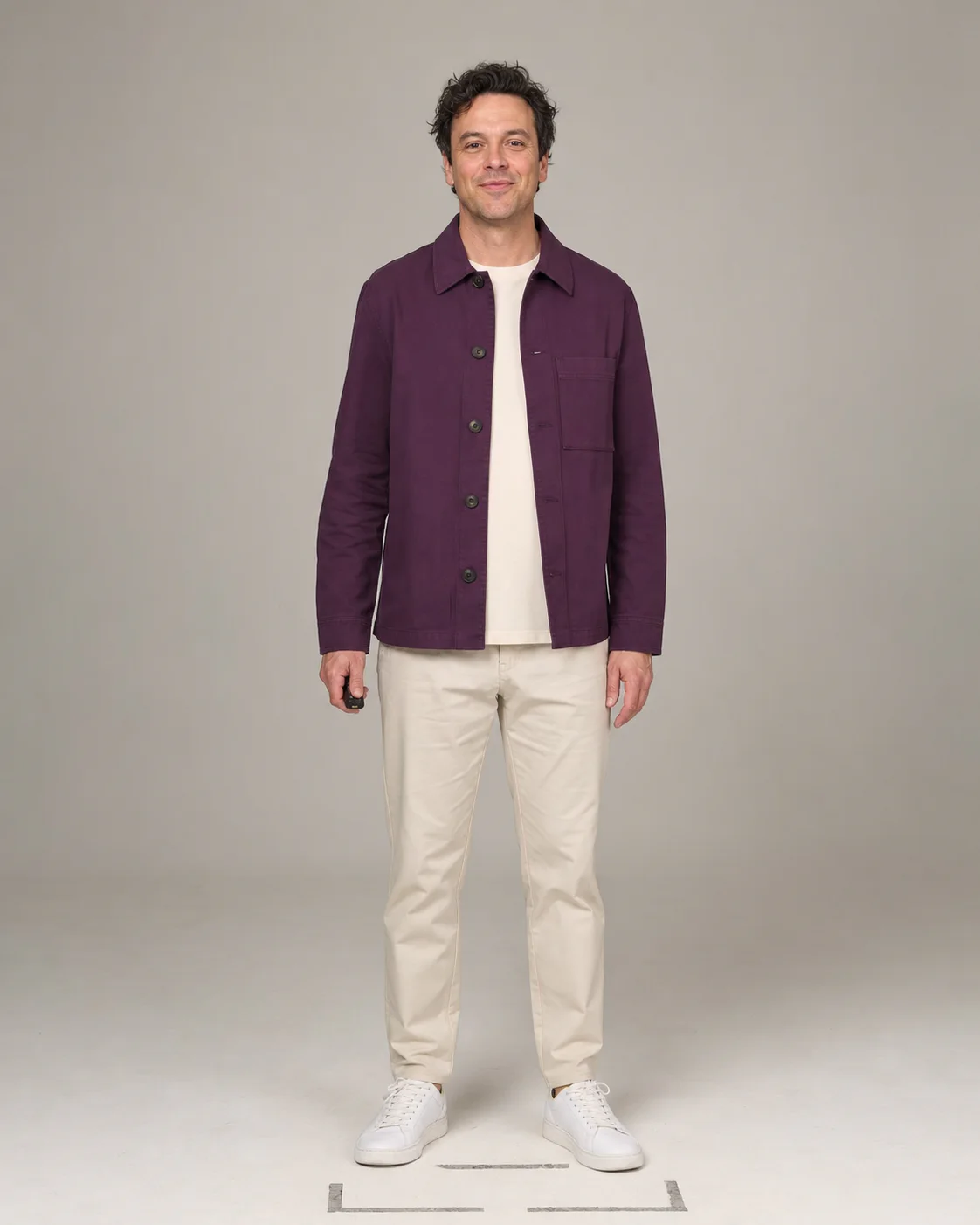
A strong middle ground is a real photo with a replaced model. An employee or mannequin wears the garment in your own studio, and the image is then placed on a fixed Huismodel. The fit comes from the real photo, the face is consistent everywhere, and you do not need a model on the shoot day.
For campaign images, it works the other way around: AI can create the location and atmosphere, as long as the product comes from a real photo. That way, you can create a fall campaign without taking a crew outdoors.
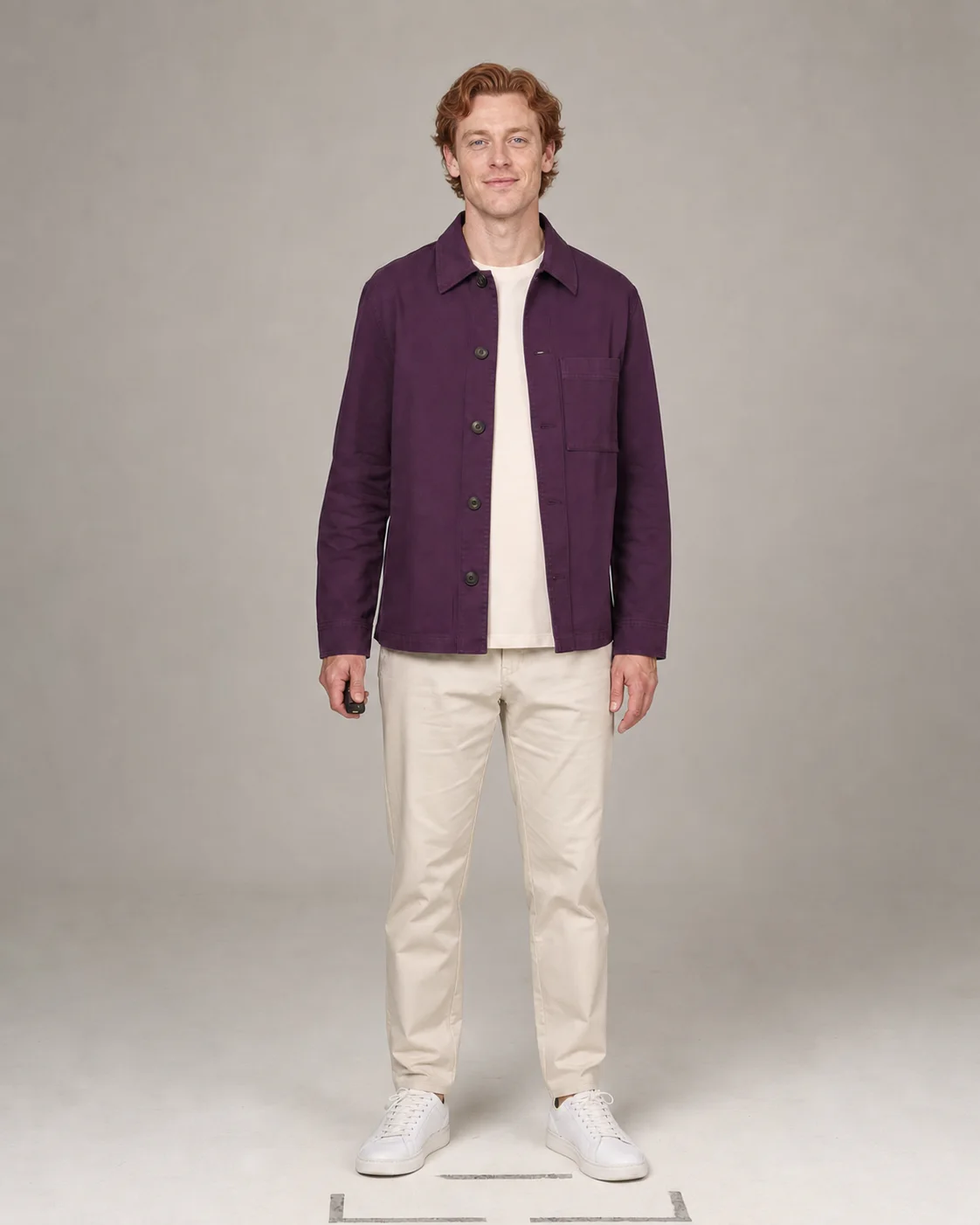
How Photopilot does both
Photopilot is not a choice between studio and AI; it is one place for both. Photopilot Studio is an app for Windows and macOS with a direct Canon connection: every shot appears during the shoot under the correct item. If you use other studio software, photos are imported through a shared folder. Without a studio, you shoot with the iPhone app on a rack, hanger, or mannequin after scanning the barcode.
From those photos, or from supplier images, you can create AI model photos and campaigns with a consistent AI model for €0.05 to €0.21 per photo, with Iris as your AI creative director for scenes and poses. With Maatgarantie, you place your own shot on an in-house model with the real fit; this can also be done entirely with AI from a packshot.
Studio photos and AI images then follow the same rules: background, crop, shadow, and color correction are standard edits in the monthly plan from €500 per month. For each brand or collection, you choose automatic approval or a quick check, and then the image goes to your online store, such as Shopware, Shopify, or WooCommerce.