
What is required for each image type?
Article 50 of the AI Act sets out two obligations. The software marks AI images invisibly. The online store must visibly state that an image was created with AI, but only for a deepfake. The Commission explains in its guidelines which images fall under this. Those guidelines are not binding; the court decides.
| Image type | Invisible marking (software) | Visible notice (webshop) |
|---|---|---|
| Create cut-outs, remove background | No, standard editing | No |
| Crop, color, lighting, sharpening | No, standard editing | No |
| Real product on an AI background or in an AI scene | Yes | No, as long as the product is accurate |
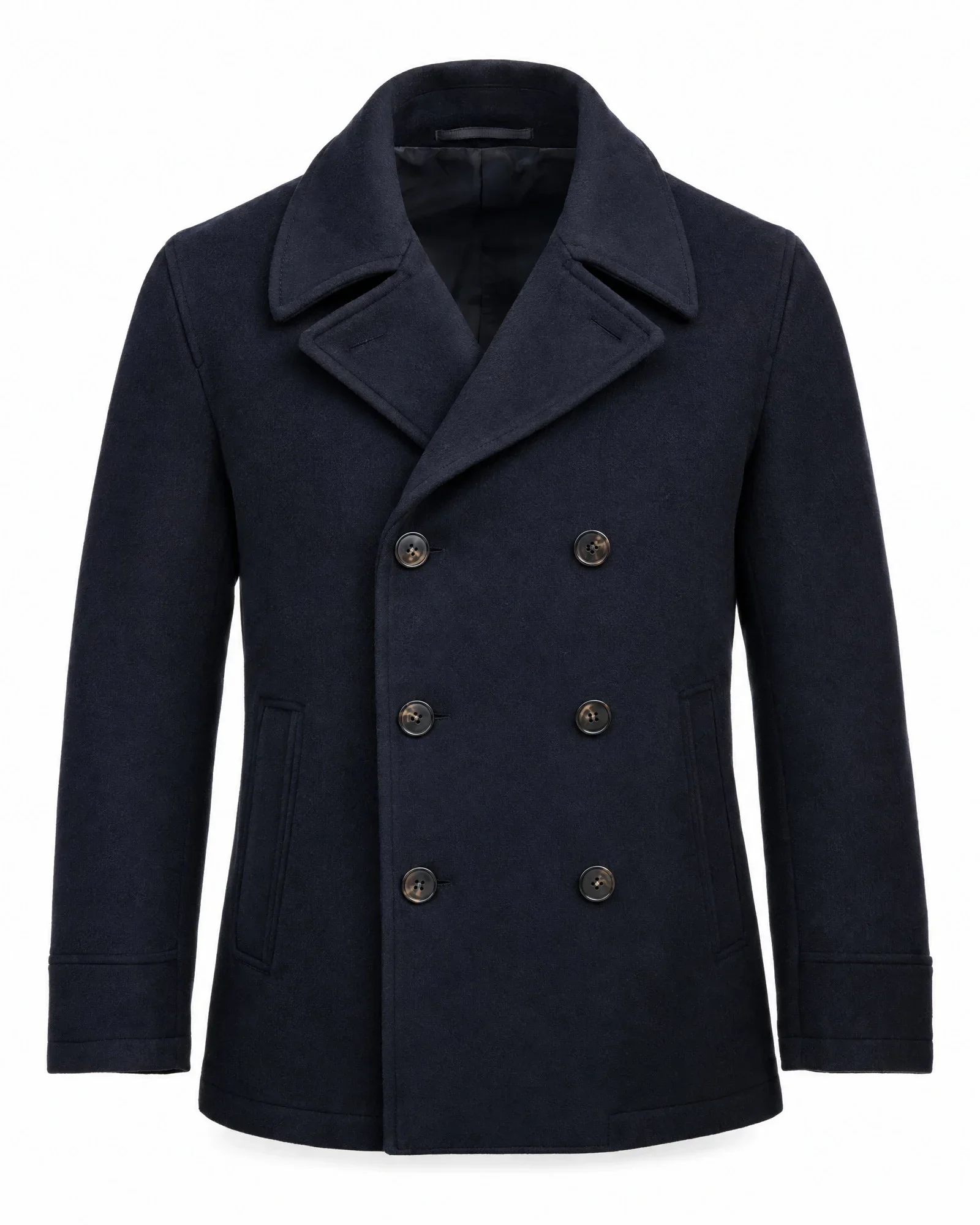
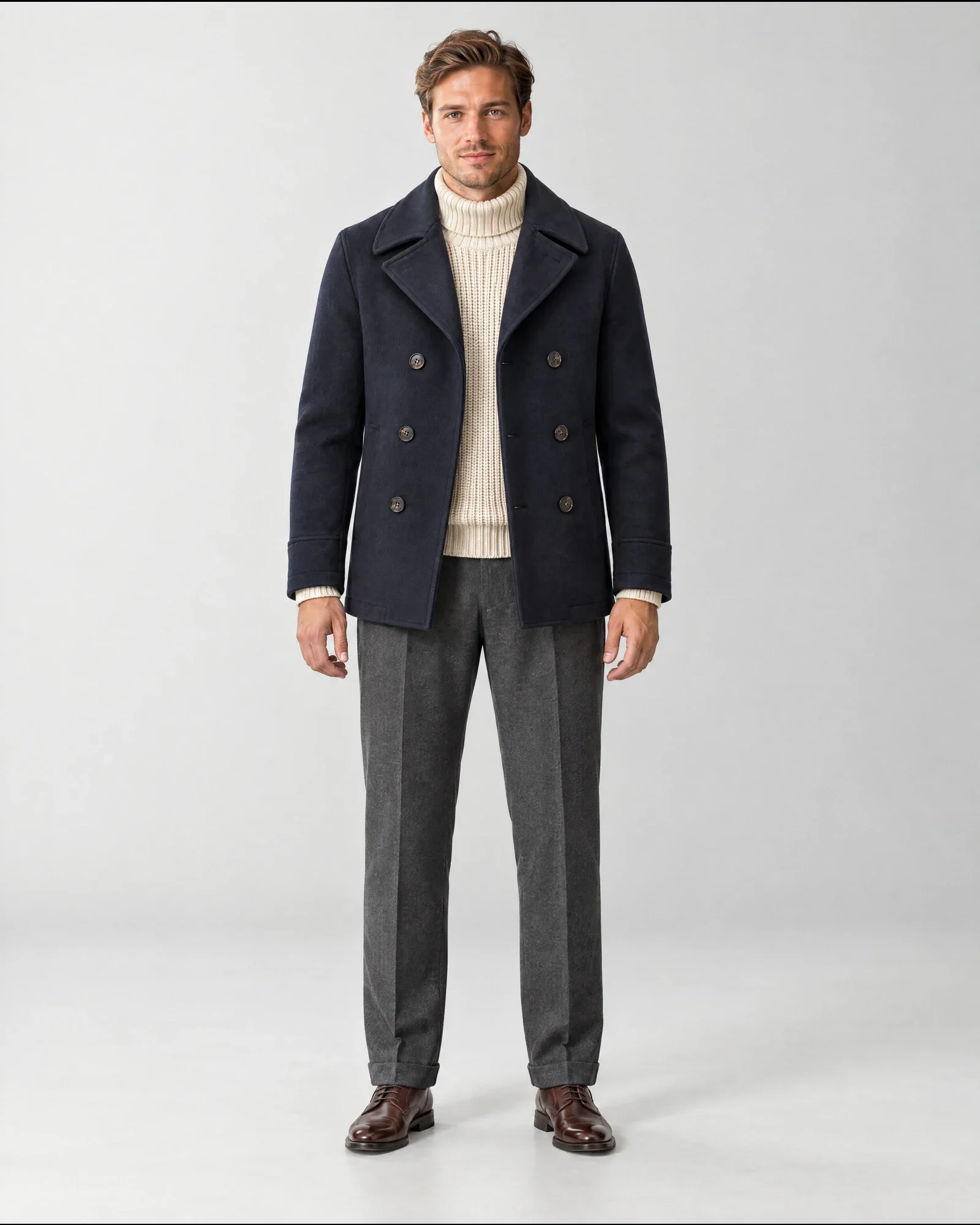
| AI model wearing your actual product | Yes | Yes, a short text is enough |
| AI image that makes the product look better or different | Yes | Yes, but it is misleading: do not do it |
| Images created before August 2, 2026 | No | No, not retroactively |
This is general information, updated on November 17, 2026, and not legal advice.
What is a deepfake under the law?
The legal definition is broader than fake news. Intent to mislead is not a factor.
- Deepfake (Article 3, point 60, AI Act)
- AI-generated or AI-edited image, audio, or video that resembles existing people, objects, places, entities, or events and could therefore wrongly appear real or truthful. Regulation (EU) 2024/1689
- According to the Commission, a generated human counts. An AI model wearing your coat is therefore a deepfake, but that does not make it fake.
- According to the Commission, your real product on an AI background is not a deepfake, as long as the product is accurate.
- According to the Commission, an AI image that makes the product look better or different is a deepfake. It is also misleading.
| Source | What it contains | Status |
|---|---|---|
| AI Act, Article 3 (point 60) and Article 50 | The definition, the online store’s disclosure obligation (paragraph 4), and a clear notice no later than the first exposure (paragraph 5) | Law, binding |
| European Commission guidelines (July 2026) | A generated human counts, what counts as standard editing, and why a footer or terms alone are not enough | Official guidance, not binding. The courts decide. |
| Code of conduct with the EU icon (June 2026) | The AI icon and the top-right position | Optional |
How should you disclose it? Minimum requirement and EU recommendation
The law (Article 50(5)) requires a clear notice no later than the moment someone sees the image. A short line next to the photo, such as “model created with AI, product is real,” is enough. The law does not prescribe a specific format or icon.
Many online stores only add one line in the footer or terms and conditions, such as “images on this site may have been created with AI.” The European Commission interprets the law to mean that a notice only in your footer or terms is not enough. Those guidelines are not binding; the court decides. A notice next to the photo is the safe choice.
A voluntary code of conduct also recommends an EU icon: AI GENERATED or AI MODIFIED, in the top right of the image.
| Disclosure method | Legal minimum | EU recommendation (voluntary) | Zalando and Google |
|---|---|---|---|
| Short text next to the photo: Model created with AI | Compliant | Partly: the code calls for an icon or equivalent label | Allowed |
| EU icon as an overlay in your webshop | Compliant | This is the recommendation | Allowed; the file remains clean |
| EU icon or watermark embedded in the pixels | Compliant | Compliant | Rejected: overlays on product images |
| Only in your footer or terms | Insufficient according to the Commission: not next to the image | Insufficient | n/a |
| Only the invisible mark | Insufficient: people do not see it | Insufficient | Required by Google |
What Photopilot does
Photopilot creates the AI software, so the invisible marker is our responsibility. Every image generated or substantially edited with AI automatically gets the IPTC marker for AI images. Google Shopping requires the same marker.
- AI models, AI scenes, and AI edits: automatically marked.
- Creating cut-outs, cropping and color correction: not marked.
- No watermark or label in your photo, so it is suitable for every channel.
- You add the visible notice for AI model images in your webshop yourself.
- Prefer not to use AI? Shoot with your Canon through Photopilot Studio. Then no notice is needed.
Why AI has such an unfairly negative reputation
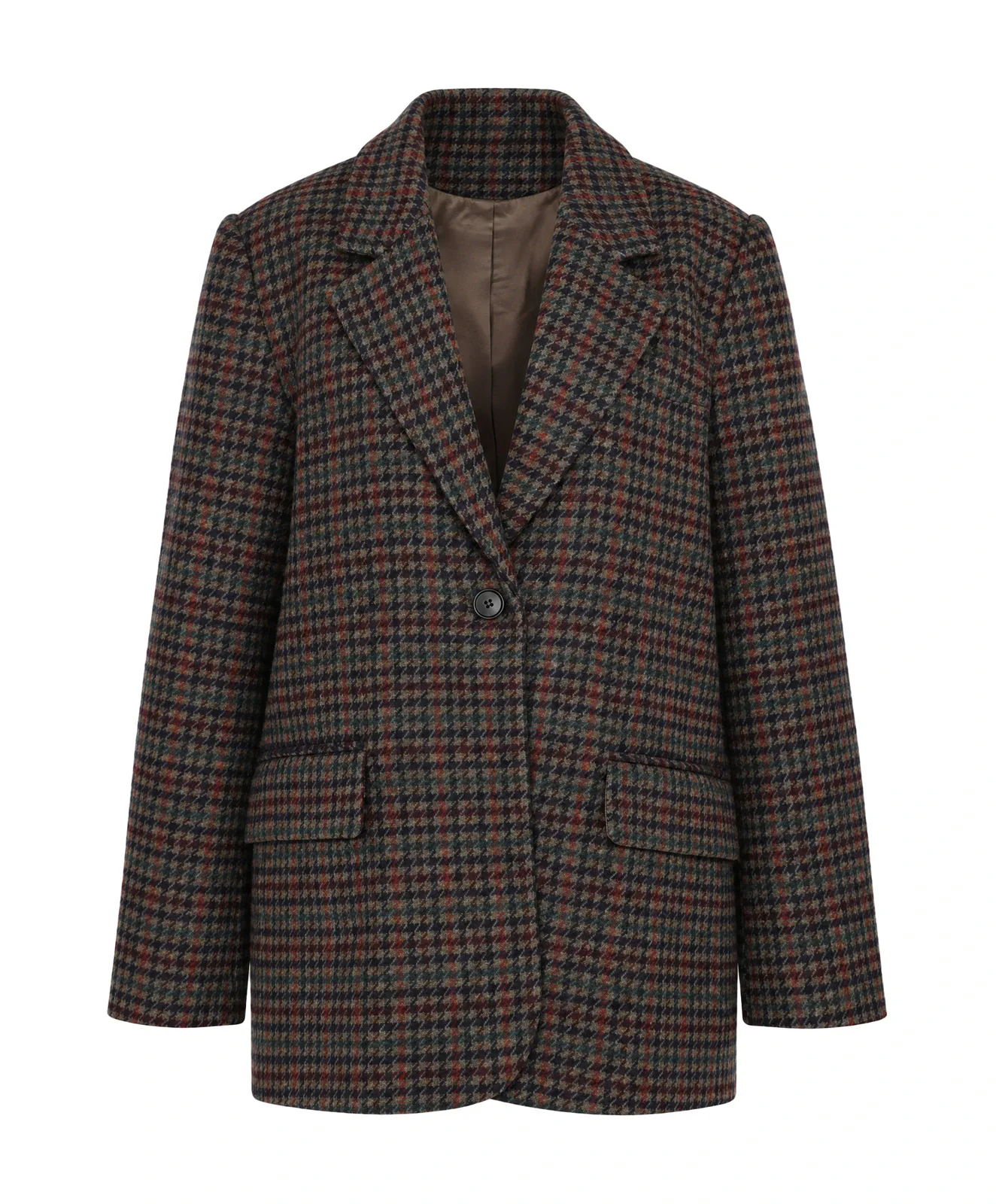
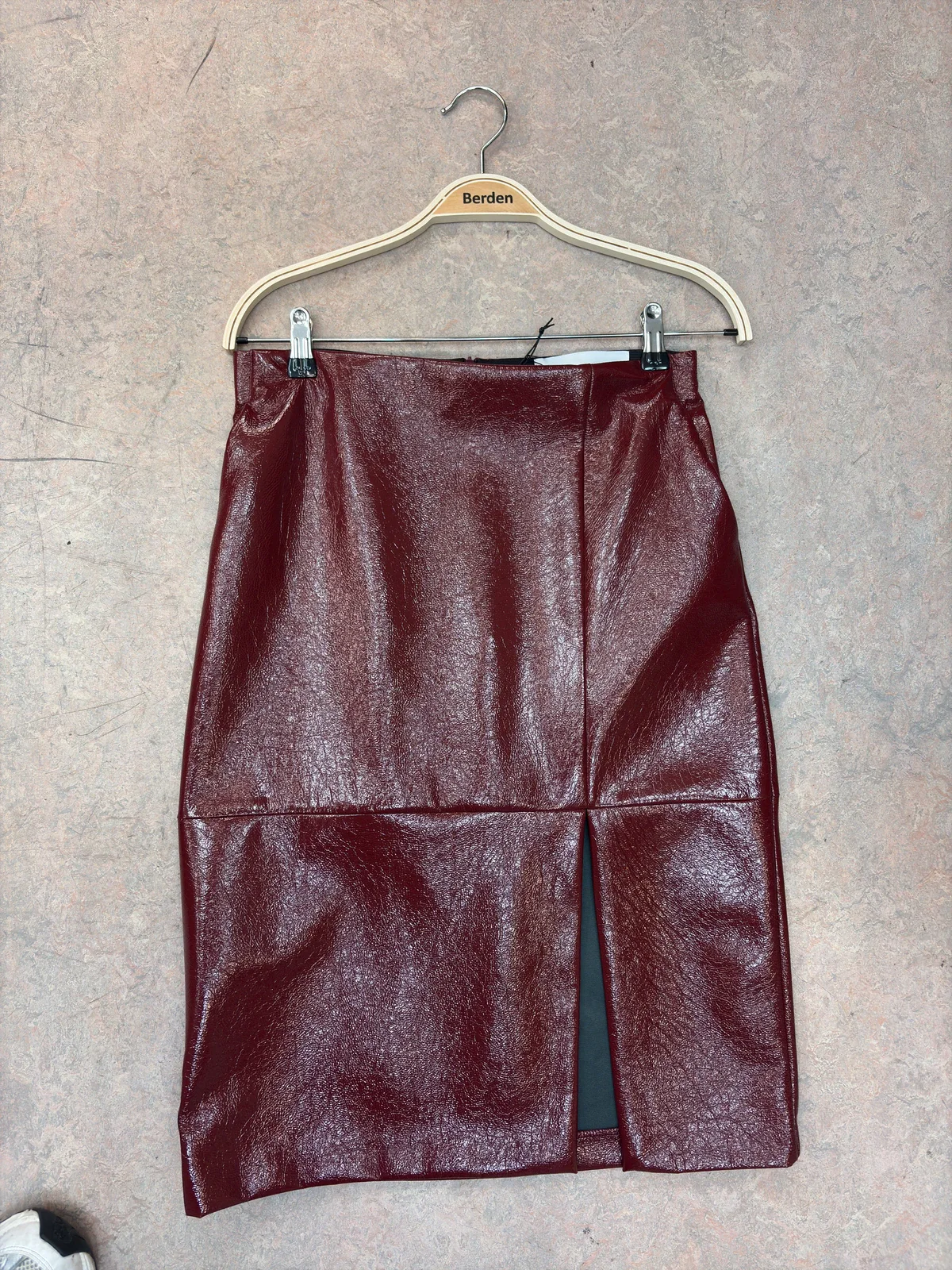
The distrust comes from the first image models, which invented buttons and mangled logos. That is no longer true. Photopilot creates every AI image from a real photo of the item, so the color, fabric, and prints come from the real product.
How an AI image is measured and checked
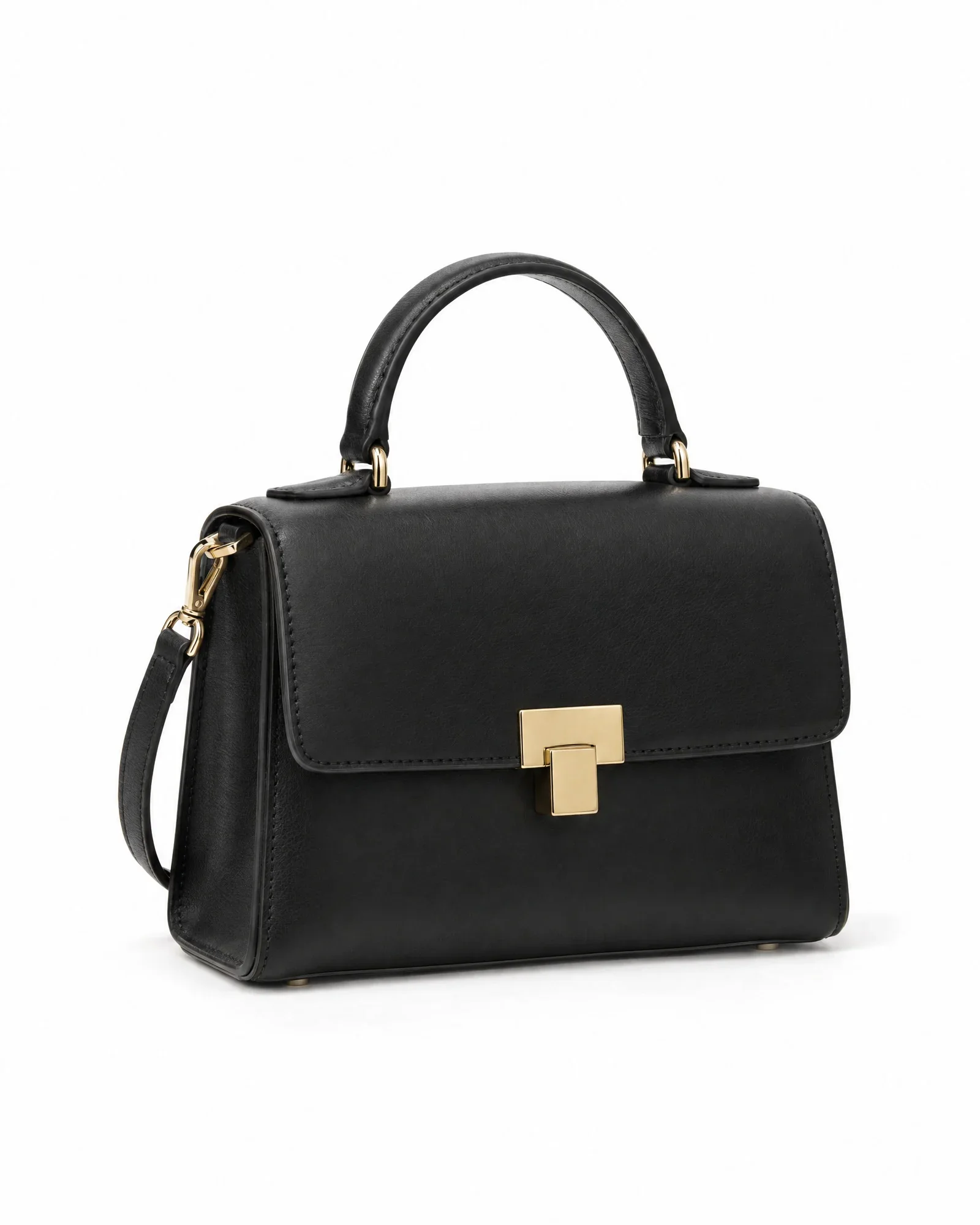
For a bag or suitcase on an AI model, the size has to be right. That is why Photopilot checks the measurements, and a person approves it before publication.
- Real sizes from your ERP or product data, not estimated
- Ruler the model's height in the image
- Port if the dimensions are not correct, the image is stopped
- Human approves it against the packshot before publication
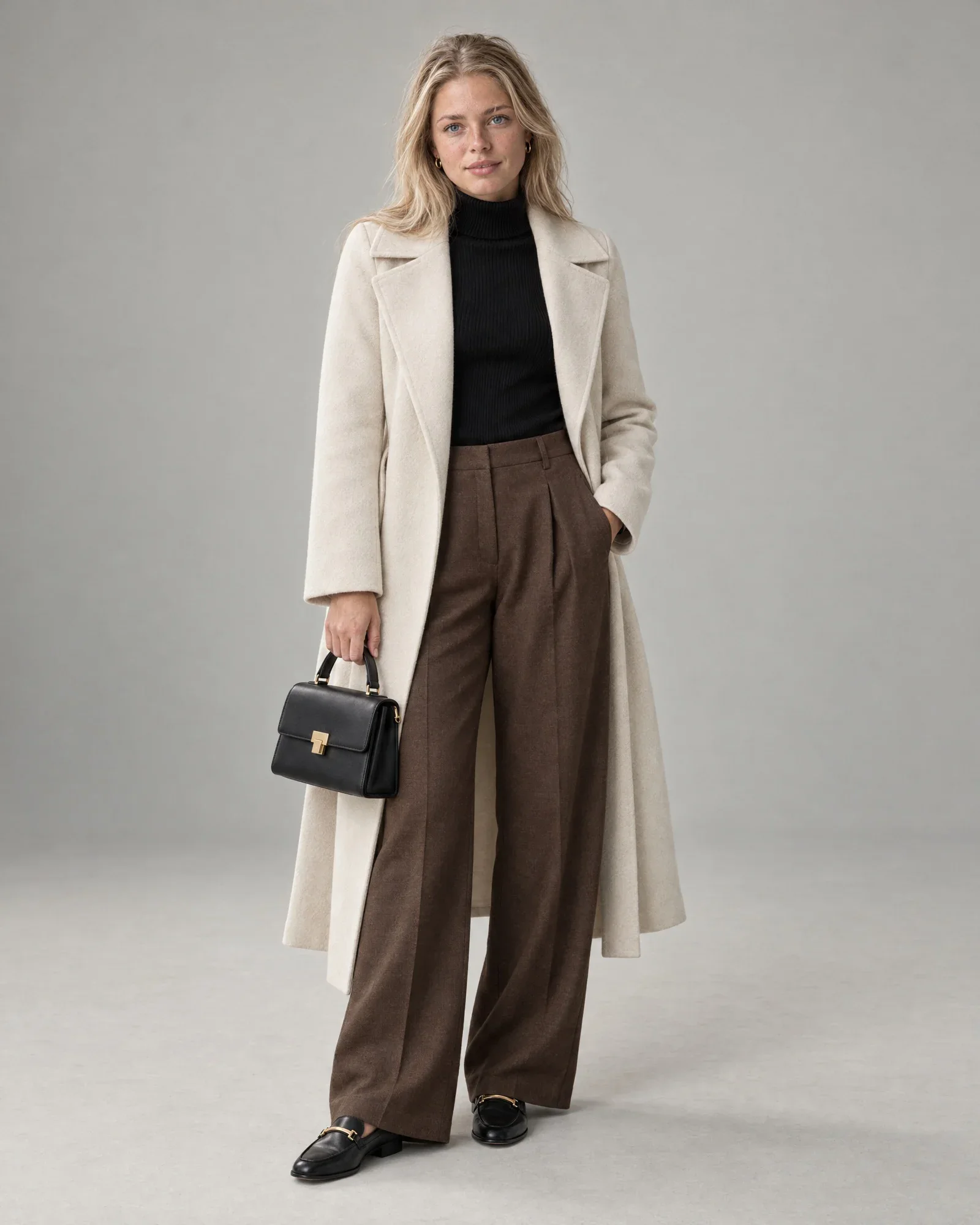
Traditional photography was never automatically the truth
Returns in fashion existed long before AI. Take color. That already goes wrong for many online stores, with or without AI:
- Model photo: the lighting is often not right, so the color is off.
- Packshot: it is often recolored to match the model photo. That makes the color differ even more from the real product.
- AI based on a photo of the actual item: the color comes from the product itself. This often gives a more accurate color.
| Issue | Studio photo | Photopilot |
|---|---|---|
| Color is inaccurate | Model photo is off because of the lighting; packshot recolored to match the model photo | Color comes from the real item |
| Fit looks better than in real life | Clips and pins behind the back | Size Guarantee: the garment was actually photographed |
| How big is it really? | The model's height and size are often missing | Bags and suitcases measured against the model |
| Retouching | Skin, body shape, and fabric, unlabeled for decades | Every image can be checked against the source image |
Why the European labeling code is not sustainable
We follow the law. But the voluntary code, with an AI icon on every image containing a generated person, goes too far.
- The label identifies the method, not the truth. A studio photo with the wrong color does not get a label, while an accurate AI image does.
- A label everywhere is a label nowhere, just like cookie notices.
- It affects honest retailers. Scammers and shops outside the EU do not label their images.
- The line is arbitrary: a generated model counts, but clips and heavy retouching never do.
- It conflicts with Zalando and Google Shopping, which prohibit an icon in the image.
What the law should include
Control the result, not the technique. A product photo should show what the customer will receive. Record the facts behind it in an open standard:
- The product dimensions, by size for apparel.
- The model’s height and the size they are wearing.
- Which photo of the real item was used as the source, and who checked it.
- The AI mark stays in the file. Right now, almost all online stores strip it out when resizing images.
| Point | Now: each webshop decides for itself | Better: the browser |
|---|---|---|
| Works on any site | Only on sites that follow the rules | Also for scammers and shops outside the EU |
| Consumer choice | Notice for everyone | Anyone who wants it can turn on the AI icon |
Flip the switch
Ready to flip the switch?
Enter your web shop and flip the switch. You'll see how much of your range we get online automatically, with a price estimate and a plan.