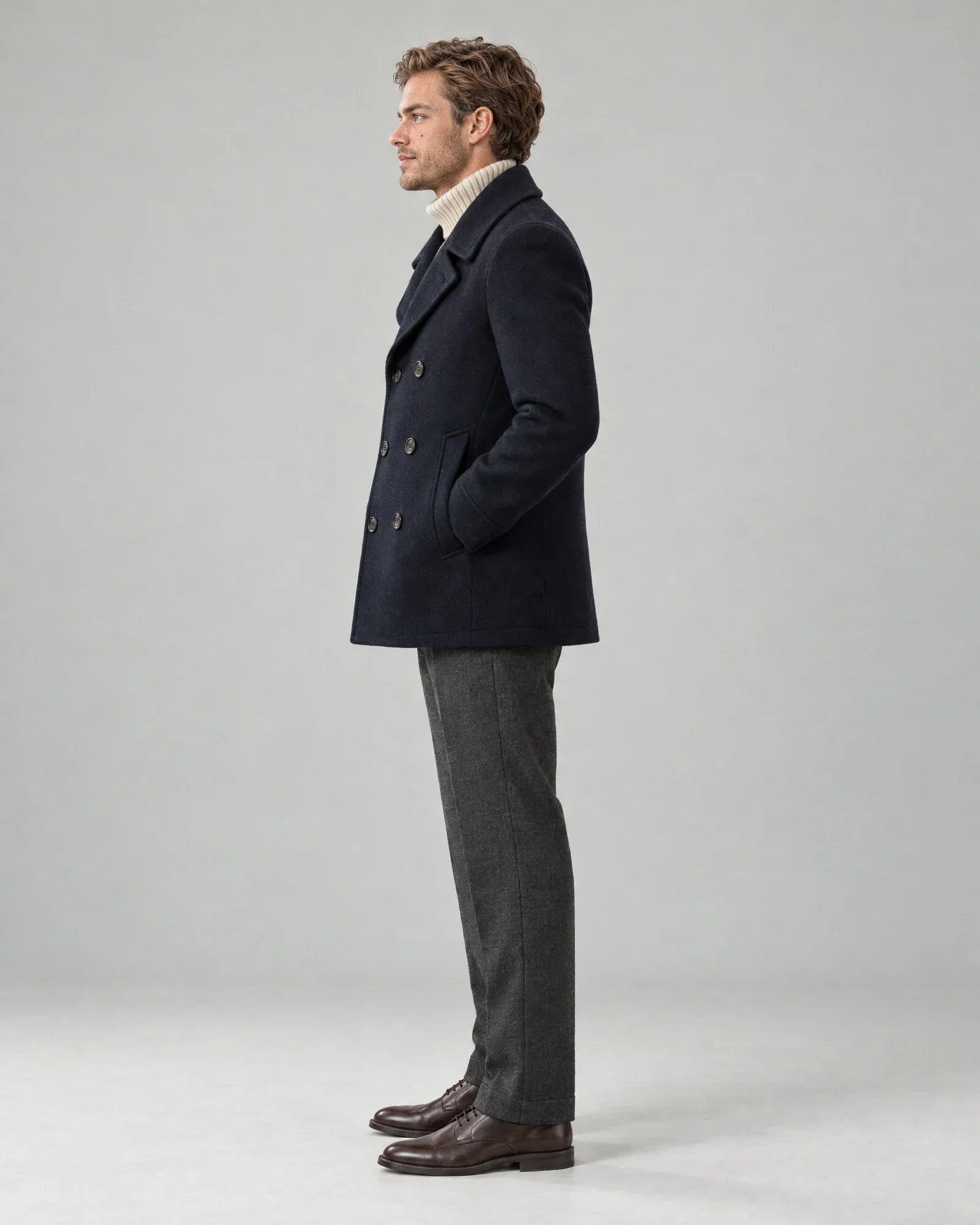

The short answer: yes, with four conditions
There is no rule that bans you from using an AI model on your product page, the PDP, or in your campaigns. However, its use touches on four areas of law: the EU AI Act, consumer law, portrait rights and privacy, and copyright. If you handle those four areas carefully, you can use AI model photos with confidence.
In short: the product in the photo must be the product the customer receives, you only use a real face with permission, you know who has which rights to the images, and you are transparent about AI where it is required or advisable.
This article is general information, updated on October 10, 2026, and is not legal advice. Rules and their interpretation are still developing. If you are unsure about your own situation, ask a lawyer with knowledge of IT and consumer law to review it.
- The product is accurate: the color, material, print, and details come from the real item.
- Use a real face only with that person’s provable consent.
- You know who owns the images and what you are allowed to do with them.
- You label AI images where the AI Act requires it, and when in doubt, label them anyway.
This is general information, not legal advice. If in doubt, get advice about your own situation.
What does the AI Act say about AI images?
The European AI Regulation, Regulation (EU) 2024/1689, includes transparency obligations in Article 50. According to the European Commission, these apply from August 2, 2026; the Digital Omnibus, which moved other AI Act deadlines in 2026, did not postpone this article. The obligations are split between two roles: the provider that supplies the AI system, and the user that deploys it, referred to in the law as the deployer.
Providers of systems that generate images must ensure that the output is marked in a machine-readable way as artificially generated or manipulated. According to the Commission, systems that were already on the market before August 2, 2026 have a transition period until December 2026. An exception applies to systems that only assist with standard editing or do not materially change the content.
For you as a webshop, the user’s obligation is the most relevant: anyone who creates a deepfake with AI must make it clear that the image was artificially generated or manipulated. The law defines a deepfake as an AI image that resembles existing people, objects, places, entities, or events and could wrongly appear authentic or truthful. Violations can lead to fines of up to €15 million or 3% of global annual revenue, with proportionality for smaller companies.
Whether an AI model photo on a product page falls under that definition cannot be answered in one sentence. A fully generated face does not resemble a real person, but the image does show a real product and looks like a real photo. The Commission has published guidelines on Article 50 explaining the scope; read them or get advice. The practical advice: just label AI model photos, and you are covered regardless of the interpretation.
| Who | What | From |
|---|---|---|
| AI system provider | Mark output as AI-generated in a machine-readable format | August 2, 2026; transition period until December 2026 for systems already on the market |
| User, such as your online store | Disclose that a deepfake has been artificially generated or manipulated | August 2, 2026 |
| Clearly artistic or creative work | Lighter obligation: appropriately disclose that AI content exists | August 2, 2026 |
| Standard editing, such as background removal | Exception to the labeling requirement if the content does not materially change | Not applicable |
Consumer law: the photo must show the real product
Separate from the AI Act, ordinary consumer law still applies. A product photo must not mislead consumers about what they are buying. This is covered by the European rules on unfair commercial practices, which are included in the Dutch Civil Code in the Netherlands, and the ACM supervises compliance. It does not matter whether a photo was made with a camera or with AI.
With AI, the risk is in the product, not the model. If an AI system moves a button, changes a print, shifts a color, or invents a detail, you are showing a product that does not exist. If the item then arrives looking different from the photo, the customer can return it because it does not match the agreement, and repeated discrepancies can put you at risk of a misleading commercial practice.
Product accuracy is therefore the most important rule for AI product photos. Generate from a real photo of the item, such as a packshot, so the color, fabric, and details come from the actual product. Check every image against the source image before it goes live, and be careful with fit: in a fully generated model photo, the way the garment falls is an estimate.
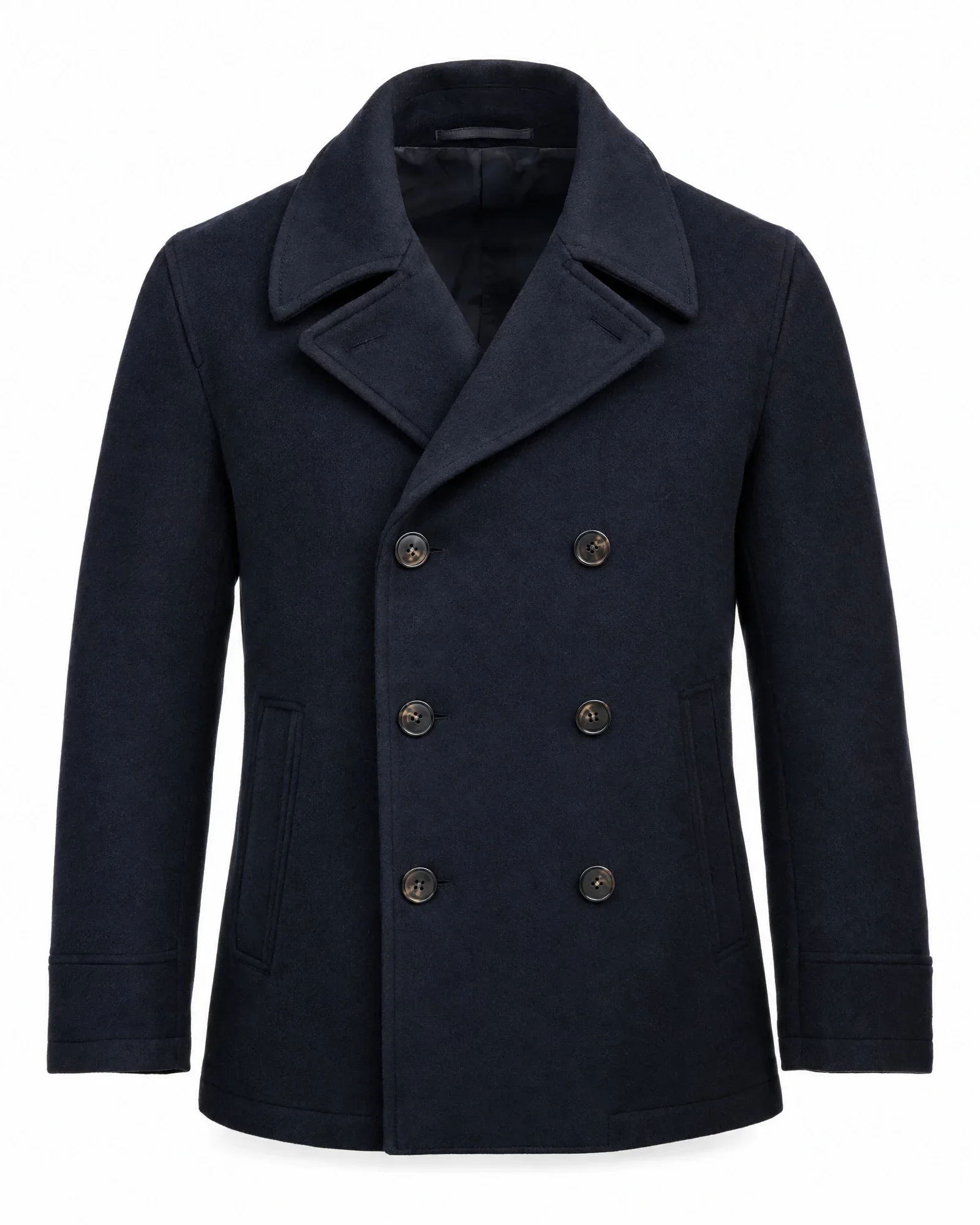
Image rights and privacy: a real face requires consent
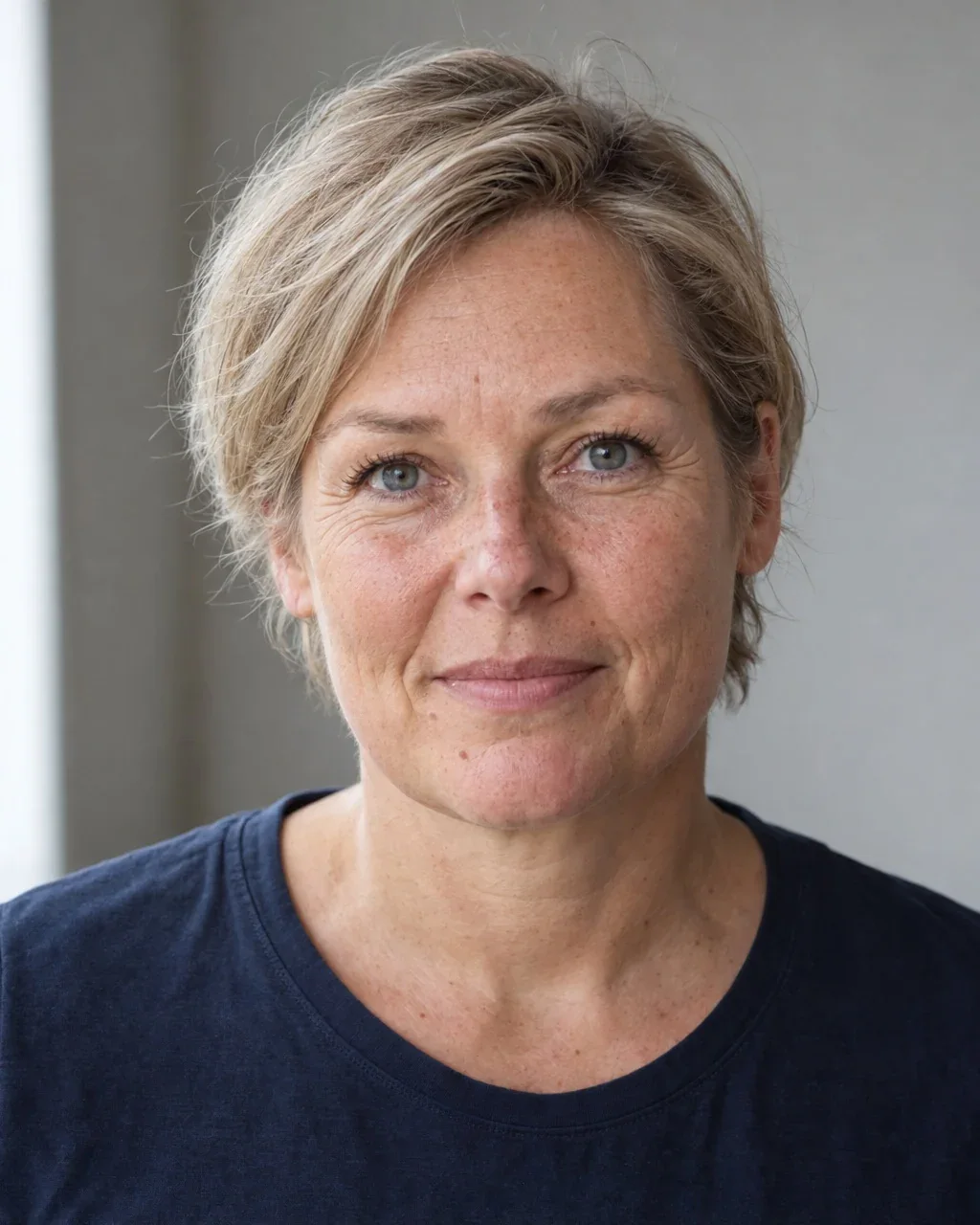
An AI model can be created in two ways: generated entirely from a description, or based on a photo of a real person, such as your own model, an employee, or an ambassador. With a fully generated face, there is no existing person whose rights are affected, although it is still wise to check that it does not happen to closely resemble a well-known person.
If you use a real face, you are dealing with portrait rights under the Copyright Act and with the GDPR, the European privacy law: a facial photo is personal data. Using a recognizable person commercially without consent is generally not allowed. Record the consent in writing, including what you will use the model for, where, and for how long, and keep in mind that someone can withdraw consent.
Extra care is needed with employees, because the relationship with an employer makes voluntary consent more complicated; also agree on what happens if someone leaves the company. For children under 16, you need permission from their parents or legal guardians.
- Written consent from the person themselves, or from a parent or guardian for children.
- Purpose, channels, and duration of use documented.
- Agreement on withdrawing consent and leaving the company.
- The source photo and the model are only accessible within your own organization.
Who owns an AI image?
In the EU, copyright protects work that is the author's own intellectual creation, with creative choices made by a human. For an image that is largely AI-generated, it is therefore uncertain whether copyright applies. That does not mean you cannot use it, but it may make it harder to stop others from copying it.
In practice, what you can do with the images is mainly determined by the terms of the software or agency you work with. Check three things: whether you can use the images commercially, whether your source photos and results remain yours, and whether your photos are used to train AI models.
Your own source material remains protected. Your packshots and studio photos belong to you or to the photographer you have an agreement with. If you use supplier images as source material, check whether you are allowed to edit and publish them.
Labeling in practice: how to make it clear
A label does not have to be large or distracting, but it does need to be clear and noticeable. Many online stores choose a short line near the product images, or a small icon with text on the AI image itself. In any case, don’t only put it in your terms and conditions, because no one will see it there.
Be clear about what AI did and did not create. A note such as: model and background created with AI, product photographed for real, tells the customer exactly what they want to know. If you use a generated fit, referring to your size chart helps prevent returns.
Also pay attention to the rules of the channels where you sell. Marketplaces, retailers, and advertising platforms may have their own requirements for AI images, separate from the law. Define your labeling choice once so every image is handled the same way.
- For the product photos: model and background created with AI, the product is real.
- On campaign images: a small AI-generated label in the corner.
- In the alt text or image description: state that it is an AI image.
When in doubt, label it: an honest label costs nothing, and customers appreciate transparency more than they object to an AI model.
When you should not use an AI model
Sometimes AI is not the best choice, for legal or commercial reasons. If the fit has to be exactly right, as with swimwear, lingerie, or made-to-measure items, you need a real photo as the basis so you do not promise something the product cannot deliver.
If you work with a recognizable person or an ambassador, you need a solid contract that explicitly covers AI use, or you need a real shoot. And if you sell through channels that restrict AI images, you follow those rules, even if the law would allow it.
How Photopilot handles it
In Photopilot, you can create your own AI model for €1.37, with front, side, and back views. You describe the face and look in a short prompt; that generated face does not belong to a real person, so there is no model fee or buyout. If you want a model based on a real face, you upload a face photo, but only with demonstrable consent from that person, which you arrange and keep yourself. The model is only available within your organization.
The product stays true to the original: model photos and campaigns are created from your own packshots or supplier images, so the color, fabric, and details come from the real item. If the fit has to be exact, use Size Guarantee: you photograph the garment once in real life and only the model is replaced.
Nothing goes live unseen unless you set it up that way: per brand or collection, you choose automatic approval or a quick review, with each image shown next to the source image. Under our terms, supplied photos and results remain the property of your organization, we do not use photos with people to train AI without a written agreement, and your data is stored in the EU, with hosting in Amsterdam. Labeling AI images in your online store remains your choice as the seller.